
Stepping Together: Caring for Parish Paths

Today we explore volunteer programs for maintaining and waymarking parish paths, celebrating how neighbors protect footways, mend stiles, prune hedges, and place clear waymarks so anyone can wander safely. Expect practical checklists, heartfelt stories, and inviting ideas you can copy, adapt, and share freely.

The Heart Beneath Every Gate and Stile

Footpaths carry memory, health, and small economies, connecting churchyards to farms, schools, and riverside benches. When locals maintain surfaces, trim brambles, repair signs, and refresh arrows, they preserve rights of way and everyday joy. This approach honors heritage while welcoming newcomers, giving retired craft knowledge and energetic students a shared project. Read how simple routines, monthly meetups, and light tools keep routes open without fuss, politics, or costly contractors.

Shared Stewardship That Strengthens Belonging

A parish path becomes everyone’s responsibility when roles feel friendly and doable. Pair experienced walkers with first-time helpers, match short tasks to busy schedules, and celebrate quick wins. People return when they feel useful, thanked, and connected to neighbors who smile at passing footsteps.

Listening to Landscape Clues

Before cutting anything, walk slowly and notice desire lines, puddle scars, root heave, and bird nests. Ask farmers where machinery turns, check church notices for events, and plan routes that avoid disturbance. Respectful observation guides smarter work, calmer conversations, and long-lasting goodwill throughout the parish.

Stories Carved Into the Verge

Every bend holds memory: a wartime shortcut, a courting detour, a child’s first blackberry harvest. Invite elders to share recollections during workdays, record them on postcards, and link them to waymarks. Shared stories soften disagreements, attract volunteers, and keep routes cherished rather than merely tolerated.

Organizing Volunteers Without Losing Warmth

Clear structure helps enthusiasm last. Create a simple coordinator rota, a contact list for landowners, and a calendar shaped around seasons and harvest times. Use plain-language risk notes, photo guides, and shared tool boxes. When organization feels light, people bring friends, step forward to lead, and trust the process during wet weeks and busy holidays.

Roles That Fit Real Lives

Offer micro-roles as well as longer commitments: marker painter, stile checker, hedgerow listener, social photographer, snack bringer. Let people swap tasks freely and pause without guilt. Flexible options welcome parents, shift workers, and students, building continuity even when life becomes complicated or schedules change.

Invitations People Want to Accept

Replace formal notices with warm, personal asks. Share before-and-after photos, short success notes, and clear meeting points. Hold a spare pair of gloves for newcomers. Appreciation beats persuasion, and a friendly wave at the trailhead often recruits more helpers than an inbox full of official messages.

Tracking Outcomes That Inspire

Keep impact visible: kilometers reopened, puddles drained, obstructions cleared, new waymarks placed, smiles spotted. Post simple dashboards on a hall noticeboard and online map. Numbers should serve motivation, not bureaucracy, reminding everyone that small, steady actions collectively keep paths safe, open, and beautifully inviting.

Training, Tools, and Safety You Can Trust

Skills and kit matter, but confidence matters more. Build welcoming training days with short demonstrations, buddy systems, and practice loops near tea. Cover tool handling, signage standards, knot-tying, first aid basics, and respectful interactions with landowners. Everyone leaves knowing when to act, when to stop, and who to call for backup.

Waymarking That Guides With Grace

Wayfinding should feel effortless. Choose symbols that match regional standards, use colors that remain visible in rain, and place markers where uncertainty actually occurs. Involve farmers and riders in decisions, avoid clutter, and prevent over-signing. A good waymark whispers just enough, then lets the landscape speak.

Symbols Everyone Understands

Align icons with national rights-of-way conventions while adding gentle local character through material choices and small motifs. Test with visitors, children, and elders. If strangers can navigate confidently without asking, your symbols are working, and the parish earns a reputation for welcoming care.

Placement That Respects the View

Use posts sparingly, preferring existing gates, fingerposts, and fences. Place arrows just after junctions, not far away. Avoid blocking sightlines or creating trip hazards. When markers blend with vernacular materials, photographs remain beautiful, farmers feel respected, and walkers remember the scenery, not the signage.

Accessible Wayfinding for All Walkers

Consider color contrast, font legibility, mounting heights, tactile indicators, and route information for varying abilities. Sign alternative options near obstacles and waterlogged sections. Add distance estimates and surface notes. When everyone can plan confidently, the network gains more friends, ambassadors, and patient problem-solvers throughout the year.

From Footprint to Geodata
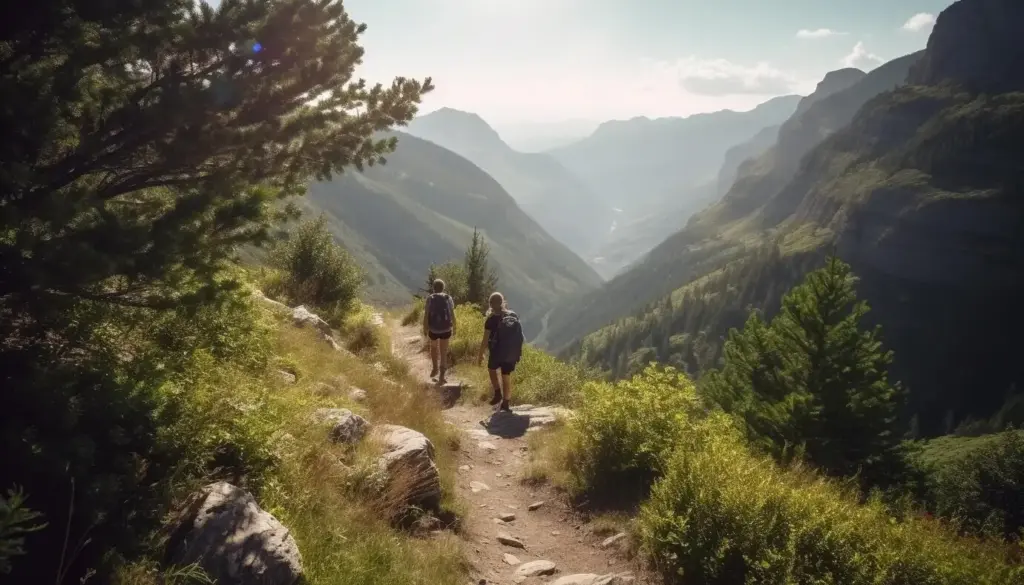
Teach volunteers to record waypoints, obstructions, and quick fixes with timestamps and photos. Sync to shared folders or open platforms, respecting privacy and landowner wishes. Data does not replace judgment, yet it illuminates patterns, seasonal challenges, and unseen victories that deserve celebration and shared learning.

Feedback Loops That Fix Fast

Create a clear path from report to response. Acknowledge every message, categorize issues, set time targets, and circle back with photos once done. People submit more when they feel heard, and problems shrink when updates arrive quickly, kindly, and with transparent next steps.

Story-Rich Codes and Boards

Use QR codes on noticeboards near trailheads to link maintenance diaries, history snippets, and upcoming work parties. A walker reads while tying boots, then signs up for Saturday’s hedge-trim. Combining practical updates with local charm turns curiosity into participation and consistent, long-term care.

Invitations, Celebrations, and Steady Support
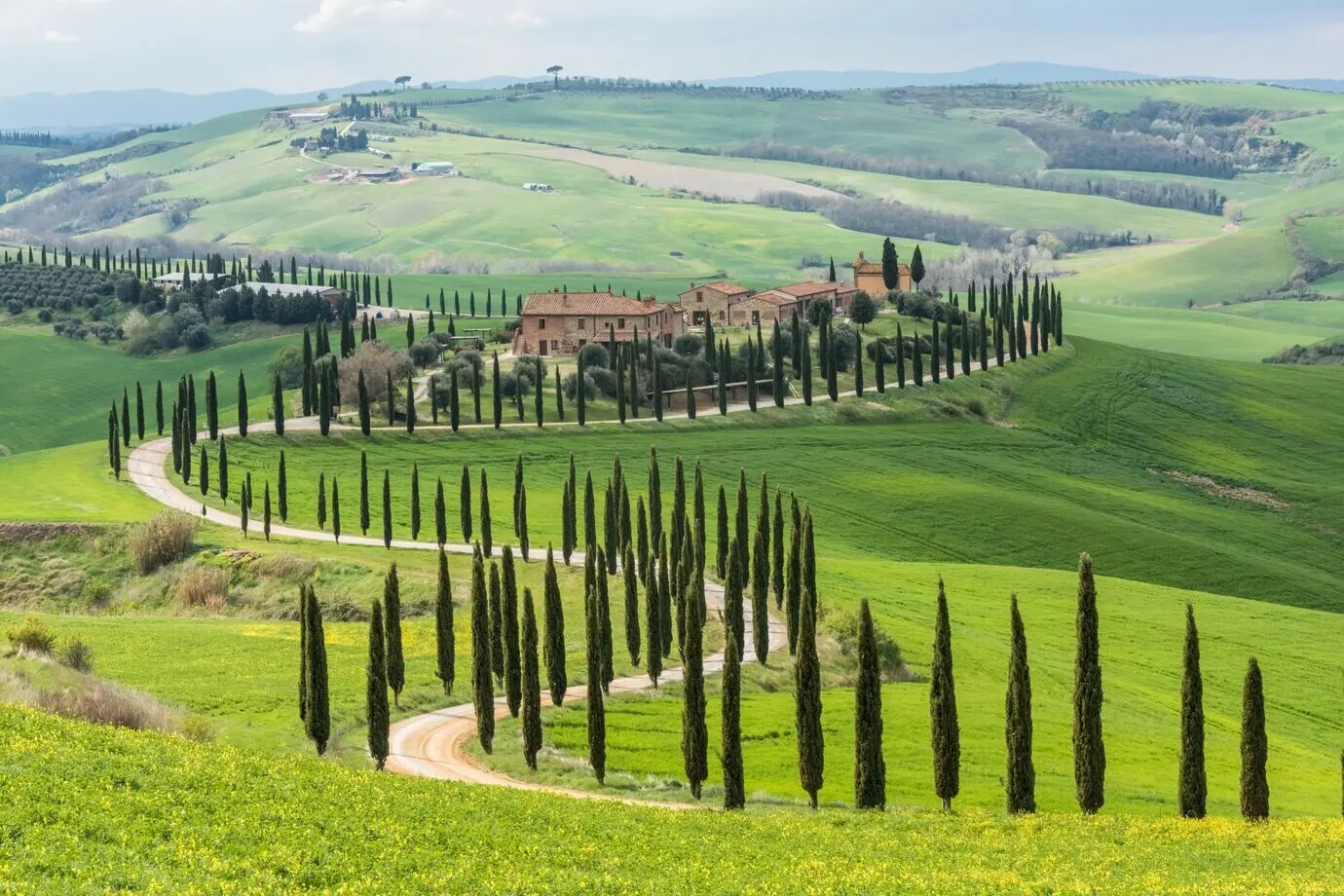
People stay involved when care feels joyful. Host low-pressure workdays with biscuits, storytelling walks, and gentle evening rambles. Publish newsletters inviting replies, collect photos, and celebrate milestones. If you are reading this, consider joining the next path day, bringing a friend, and sharing your favorite lane.

Welcoming New Hands and Young Voices

Design intergenerational teams where teenagers map with phones, grandparents recall old field names, and parents carry snacks. Offer school challenges, badge schemes, and short shifts. When everyone contributes on their terms, the parish discovers fresh energy, practical wisdom, and companionship that lasts beyond any single project.

Thank-Yous That Actually Matter

Celebrate the end of each season with tea in the hall, a short slide show, and handwritten notes. Name people in captions, credit farmers, and cheer small wins. Gratitude seeds persistence, and a cheerful gathering softens rainy memories into stories people proudly retell.

Funding, Grants, and Simple Budgets

Use small grants for tools, printing, and insurance, then publish transparent budgets so everyone understands costs. Pair fundraising with celebratory walks. Invite local businesses to sponsor gloves or arrows. Modest, predictable resources stabilize momentum and encourage long-term commitments without losing the warm, volunteer-first spirit.
Rurivamorufope
Privacy Overview

This website uses cookies so that we can provide you with the best user experience possible. Cookie information is stored in your browser and performs functions such as recognising you when you return to our website and helping our team to understand which sections of the website you find most interesting and useful.