Wanderings Carried by the Mail

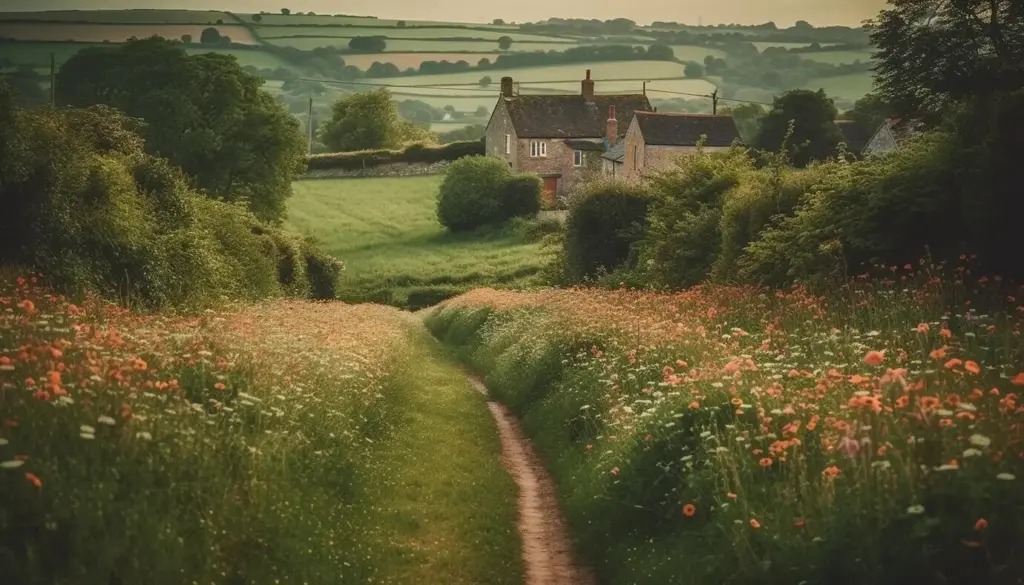
Today we step into Parish Path Postcards, letting little rectangles of cardstock ferry the sounds of lychgates, larks, and distant bells to curious hands. We will walk, pause, sketch, and write, transforming hedgerow encounters and chapel silhouettes into small keepsakes that travel. Expect a blend of tactile craft, gentle history, and community exchange, and please share your own walks so that our collective routes, memories, and stamps might weave a living atlas of kindness, quiet curiosity, and well-loved paths.

Footprints, Bells, and Stamps

Mapping Quiet Lanes

Unfold a map at a wooden bench and trace where a lane narrows to a whisper. Pencil a dotted line past a kissing gate, marking where the nettles lean and the stream forgets its manners. Your tracing becomes a promise: a path turned portable. On the postcard, translate waypoints into tiny icons, inviting a reader to follow your wander, discover a rook’s nest, and arrive at the porch step of a church that smells of beeswax and rain.

Capturing Light in a Pocket Frame

Unfold a map at a wooden bench and trace where a lane narrows to a whisper. Pencil a dotted line past a kissing gate, marking where the nettles lean and the stream forgets its manners. Your tracing becomes a promise: a path turned portable. On the postcard, translate waypoints into tiny icons, inviting a reader to follow your wander, discover a rook’s nest, and arrive at the porch step of a church that smells of beeswax and rain.

Handwritten Margins

Unfold a map at a wooden bench and trace where a lane narrows to a whisper. Pencil a dotted line past a kissing gate, marking where the nettles lean and the stream forgets its manners. Your tracing becomes a promise: a path turned portable. On the postcard, translate waypoints into tiny icons, inviting a reader to follow your wander, discover a rook’s nest, and arrive at the porch step of a church that smells of beeswax and rain.

A Brief History Printed on Card
Before screens became lanterns in our pockets, postcards served as brisk conversations, glimpses of elsewhere for a penny and a promise. Villages traded images of choir processions, plough shows, and rain-washed porches, sending local pride along rail lines and horse routes. Parish paths stitched those scenes together. By recreating that practice today, we pick up a gentle lineage, honoring slow communication, respectful wandering, and the everyday beauty that always asked only to be noticed, carried, and kindly passed on.
Imagine a miller’s daughter posting a card after an afternoon errand, noting the blue smoke curling from the rectory and the geese guarding a ford like stern librarians. The penny post democratized wonder, letting ordinary paths become worthy of ink and stamp. Our modern walks continue that unpretentious tradition. When we post from the verge of a buttercup field, we echo the friendly audacity of sending small, cheerful news that what is near can be worthy of distant delight.
Village printers once set type beside stacks of raffle tickets and hymn sheets, pulling postcards that smelled of oil and warm paper. Parish fetes sold bundles illustrated with tower sketches and cricket greens. We can revive that neighborly economy: commission a local printmaker, collaborate with a choir fundraiser, or offer a limited run during harvest lunch. Each card becomes both artifact and contribution, sustaining the places it depicts while inviting outsiders to join through simple generosity and shared gratitude.
Some paths remember absence, carrying letters to barracks and postcards back to windows darkened by rationing. Walking them respectfully means acknowledging footsteps that could not return, and celebrating those that did by noticing ordinary joy. A postcard depicting poppies by a boundary stone holds double meaning: beauty and remembrance. When we send such cards, we allow quiet memorials to travel, letting recipients pause at their own tables to honor resilience, count blessings, and promise gentleness in their next walk.

Typefaces That Walk

Pick typefaces that move at a human pace. A gentle serif can resemble carved letters on a weathered sill; a tidy sans can guide like fingerposts at a crossroads. Keep sizes readable for eyes tired from bright screens. Use italics sparingly, like a whisper beside a hedge. Your letters should invite reading aloud on a porch, unhurried, with teacup pauses. When type carries the cadence of a stroll, even a short note feels like company along the lane.

Edges, Textures, and Weather

Deckled edges recall torn field notes saved from a drizzle, while smooth cuts suggest chapel floors after sweeping. Consider duplexed card for sturdiness, inks that resist a careless raindrop, and a finish that welcomes fingerprints. Weather will sign your work, so design for grace under damp circumstance. A faint emboss of a bell, a blind deboss of a fern, or a flecked stock that resembles lichen can anchor your image to the place that taught it to breathe.

Back-of-Card Conversations

Reserve space the way a thoughtful friend leaves a seat by the aisle. Draw a faint rule for address lines, a stamp box with a tiny sketch of a gate, and a discreet logo tucked like a pebble in a pocket. Avoid clutter. This side should feel conversational, expectant, and kind to hands that write quickly at the bus stop. Generous leading, a comfortable pen glide, and gently suggested structure help the message unspool at a natural, neighborly pace.

Fieldcraft for the Curious Walker

Preparation softens the edges of a long wander and lets attention bloom. Pack only what invites noticing: a small camera or sketchbook, a weatherproof pouch for cards, and a pencil bright enough to find when bracken argues. Learn the path’s customs, nod to farmers, and give stiles the respect of slow climbing. Fieldcraft here means humility and readiness, so the postcard you later write carries earned details rather than hurried impressions, sharing safety, kindness, and the joy of patient looking.

Postbox Hunts and Red Doors

Let postboxes become landmarks inside your map of joys. Photograph each with affectionate precision: flaking paint, royal cipher, moss collecting at the base like a polite congregation. Turn finding them into a family ritual, plotting a route of deliveries and treats. Slip postcards inside with a whispered thank you to the system that still carries real paper news. Later, when replies arrive, mark your map with threads, watching paths connect homes in a quiet constellation of neighborly messages.

Swaps That Travel Further

Organize gentle exchanges: three cards sent, three received, each walk paired with a different county, coast, or moor. Encourage notes about accessibility, good benches, and hidden kindnesses like a church tap or a baker who slices buns extra thin. As the swap grows, diversity of paths grows too, and someone who cannot travel far still journeys through envelopes. This shared abundance becomes its own geography, a kindness-driven network where wonder is posted regularly and stamped with gratitude.

Children, Elders, and Shared Maps

Invite children to sketch the skylark’s flight while elders recall the long-lost lane to the millrace. Tape their work onto a big parish map at the hall, each card a tiny window on memory. Record pronunciations of field names before they fade, and write them on cards like gifts. When generations collaborate, routes gain depth, stories find new boots, and the simple act of posting a card becomes an intergenerational handshake, promising to keep local knowledge alive, friendly, and circulating.

Seasonal Trails and Rituals

Each season edits the same path into a different sentence, giving postcards fresh verbs and colors. Spring prints in chlorophyll and birdsong, summer speaks in dust and long light, autumn writes in copper, and winter signs its name with breath. Mark small rituals: first cuckoo, last harvest sheaf, first frost on the lichgate. Your seasonal series becomes a calendar anyone can hold, proof that returning is not repeating, and that wonder deepens when greeted by name throughout the turning year.

From Path to Archive

A single card delights, but a gathered stack becomes a memory engine. Organize by route, bell tower, or hedgerow, and note timestamps like a careful librarian of weather and wonder. Digitize gently, preserving grain and smudges, and record permissions for community exhibits. An archive lets patterns surface: where kindness lives, which benches invite writing, how light enters porches across months. The result is a portable parish that travels to schools, halls, and kitchen tables, keeping shared attention alive.
Rurivamorufope
Privacy Overview

This website uses cookies so that we can provide you with the best user experience possible. Cookie information is stored in your browser and performs functions such as recognising you when you return to our website and helping our team to understand which sections of the website you find most interesting and useful.